
How Hosting Impacts User Experience (UX) Metrics
User experience (UX) isn’t just about design, layout, or content. Behind the scenes, your hosting provider plays a major role in shaping how users interact with your website. From loading speed to uptime to security, hosting infrastructure directly influences the key metrics that define modern UX.
If your hosting environment is slow, unreliable, or poorly configured, even the most beautifully designed website will struggle to deliver a positive user experience.
In this article, we’ll explore how hosting affects UX metrics—and how choosing a performance-focused provider like JumboNIC can significantly improve engagement, conversions, and overall satisfaction.
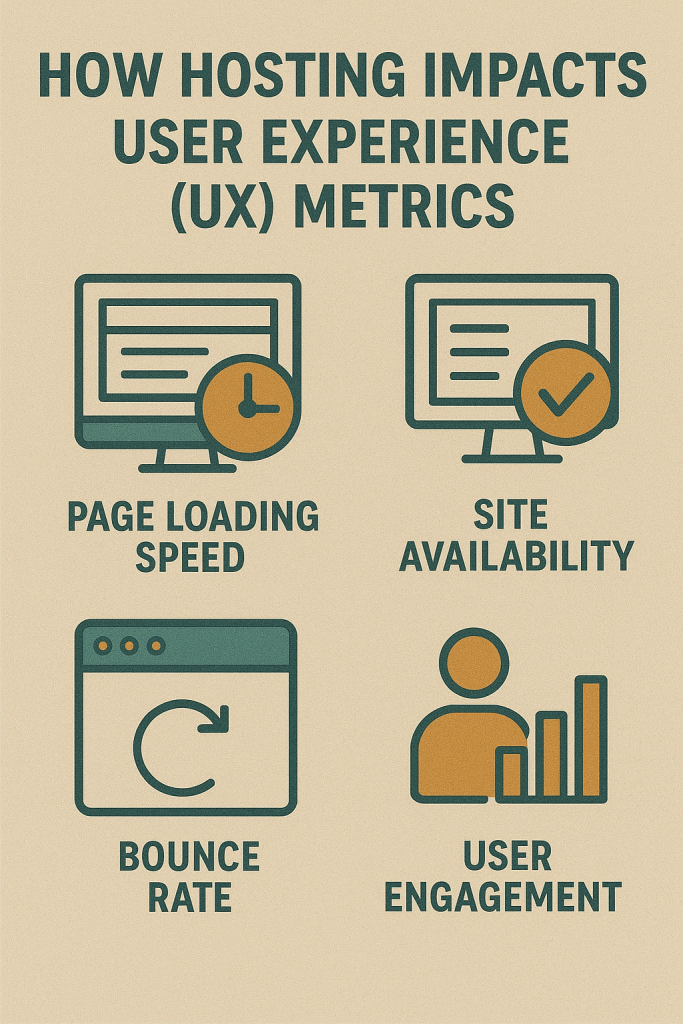
1. Page Speed: The Foundation of User Experience
Speed is the most critical UX factor, and your hosting provider has a massive impact on it.
Hosting affects page speed through:
Server response time (TTFB)
Storage type (HDD vs SSD vs NVMe)
Caching layers
PHP/HTTP versions
CDN integration
Server location relative to users
Slow hosting = slow website, no matter how optimized your front-end is.
Impact on UX Metrics
Higher bounce rates
Lower engagement
Reduced conversions
Poor mobile experience
Lower search rankings
JumboNIC ensures fast load times with:
NVMe SSD drives
Optimized server configurations
Integrated global CDN
Latest PHP and HTTP/3 support
A fast backend is the first step to excellent UX.
2. Uptime and Reliability: Keeping Users Online
Downtime destroys user experience instantly.
If a customer tries to access your site and sees:
“503 Service Unavailable”
“Error establishing database connection”
Or a blank page
…their trust drops immediately.
Even a few minutes of downtime during peak hours can damage:
Sales
Lead generation
Brand perception
Impact on UX Metrics
Session interruptions
Lost transactions
Abandoned carts
User frustration
With JumboNIC, businesses benefit from:
99.99% uptime
High-availability infrastructure
Self-healing systems
Proactive monitoring
Reliable hosting means consistent, uninterrupted user experiences.
3. Server Location and Latency: The Distance Matters
The farther a user is from your server, the longer data takes to travel.
If your audience is global but your hosting is not, they will experience:
Latency
Delayed loading
Slower interactions
Impact on UX Metrics
Higher exit rates
Lower repeat visits
Limited international reach
JumboNIC solves this with:
Multiple global data center locations
Built-in CDN with edge caching
Anycast DNS for faster routing
Closer servers = faster interaction = better UX.
4. Scalability: Handling Traffic When You Need It Most
Hosting that can’t scale leads to:
Crashes during viral events
Slowdowns during product launches
Resource limits during sales campaigns
Even short-term performance drops can cause long-term user dissatisfaction.
Impact on UX Metrics
Failed sessions
Slow responses under load
Abandoned carts
Lost revenue opportunities
JumboNIC offers scalable hosting solutions that automatically allocate resources during high-traffic periods, ensuring smooth experiences no matter the load.
5. Security: A Critical Part of User Experience
Security isn’t just a technical requirement—it’s a UX factor.
If your site is hacked, infected with malware, or displays security warnings, users instantly lose trust.
Common hosting-related security issues:
Outdated server software
Weak firewalls
No malware scanning
Lack of SSL
Poor isolation between accounts
Impact on UX Metrics
Trust loss
Reduced engagement
Lower conversion rates
Increased abandonment
JumboNIC enhances UX through:
Free SSL certificates
Malware scanning
DDoS protection
Hardened servers
Automatic updates
A secure site creates a safe, comfortable environment for users.
6. Server-Side Caching: A Major Boost to UX
Modern caching drastically improves:
Load speed
Stability
Processing time
Poor hosting often lacks:
Object caching
Opcode caching
Full-page caching
CDN caching integration
Impact on UX Metrics
Slower page transitions
Laggy interactions
Poor mobile performance
Lower Core Web Vitals
JumboNIC uses intelligent caching layers that accelerate every user interaction.
7. Backend Performance and Database Optimization
Large, dynamic sites (e.g., WordPress, WooCommerce) rely heavily on the server’s ability to:
Execute PHP
Process queries
Handle sessions
Manage concurrent requests
Cheap hosting results in:
Slow queries
Delays in user interactions
Poor checkout experiences
Impact on UX Metrics
Frustration during interactions
Abandoned carts
Slow dashboard performance
JumboNIC optimizes backend performance with:
Fast CPU allocation
Optimized MySQL/MariaDB configurations
High-speed NVMe storage
Efficient resource isolation
Smooth back-end = smooth front-end experience.
8. Support Quality: The Hidden UX Factor
When your website faces issues, the quality of your host’s support team directly affects your users.
Slow or unhelpful support can lead to:
Extended outages
Long periods of degraded performance
Loss of customer trust
JumboNIC provides fast, expert support—helping you resolve issues before they impact your users.
Conclusion: Hosting Is the Backbone of UX
Even the most beautifully designed website can fail if the hosting environment is weak. Hosting affects nearly every key UX metric:
Page speed
Uptime
Security
Scalability
Interactivity
User trust
Choosing a powerful hosting provider like JumboNIC ensures your website delivers:
Faster load times
Higher engagement
Better mobile performance
Increased conversions
Smoother user journeys
If you care about user experience, you must care about hosting.